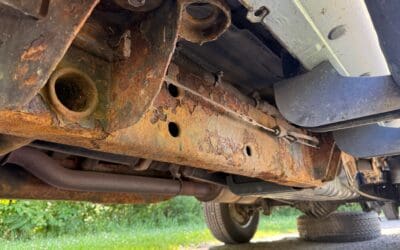
Here in Maine and southern New Hampshire, rust isn’t a question of if — it’s a question of when. Salt-soaked roads, freeze-thaw cycles, and wet springs eat through unprotected vehicles faster than most people realize. Undercoating with a quality product like Fluid Film is one of the smartest investments you can make in a vehicle’s longevity. But done wrong — or delayed too long — it can give you a false sense of security while rust quietly gets a head start.
After doing thousands of undercoating jobs across Southern Maine and New Hampshire, here are the five most common mistakes we see — and exactly how to avoid them.
Mistake #1: Waiting for the “Right” Time of Year
This is the most common mistake we see, and it costs people more than they realize. A lot of vehicle owners think fall is the magic window for undercoating — right before winter salt hits the roads. And while fall is a fine time, it’s far from the only time. Rust doesn’t wait for a convenient season.
We’ve seen this play out too many times: someone thinks about undercoating in the spring or summer, tells themselves they’ll do it in the fall, then life gets busy, fall slips by, and come the following spring they’re looking at rust growth that wasn’t there before. Rust that would not have started if they’d just acted when the thought first crossed their mind.
Our honest answer when someone asks “when should I get undercoated?” is simple: the best time to undercoat your vehicle was yesterday. The second best time is today. Spring, summer, fall — any of it beats waiting.
Mistake #2: Applying It Too Thin
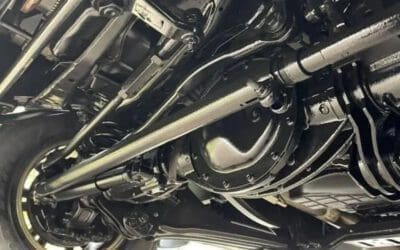
Whether it’s a DIY job or a rushed professional one, thin application is the number one reason undercoating fails. Fluid Film works because it penetrates into seams and crevices and creates a continuous barrier. When it’s applied too thin, that barrier has gaps — and gaps mean moisture gets in.
We hear it from customers all the time: “I had it done somewhere and it washed right off.” Nine times out of ten, thin application is why. A proper job takes time, the right equipment, and enough product to saturate the undercarriage — not a quick pass to check a box.
When you’re evaluating who to hire for the job, ask them specifically about their application process and how much product they use per vehicle. A vague answer is a red flag.
Mistake #3: Using Aerosol Rattle Cans
Walk into any auto parts store and you’ll find aerosol cans of undercoating product on the shelf. They’re cheap, they’re easy to grab, and they’re not the right tool for the job.
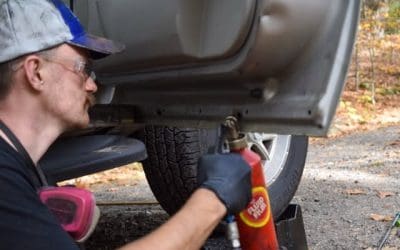
The problem with rattle cans isn’t just the product — it’s the delivery. Getting consistent, even, thick coverage across a complex undercarriage with an aerosol can is genuinely difficult, even for someone who knows what they’re doing. The spray pattern isn’t designed for the kind of full-surface saturation that makes Fluid Film effective. You end up with an uneven coat, missed seams, and significantly less product on the metal than you think you’re applying.
Professional application uses dedicated spray equipment that delivers the right volume, at the right pressure, across every inch of the undercarriage. It’s not a premium upsell — it’s the reason the product actually works.
Mistake #4: Washing the Undercarriage Right After Application
This one catches people off guard. Fluid Film needs time to settle and penetrate after application — it’s not an instant cure. Driving through an undercarriage car wash in the first few days after a fresh application is a great way to undo a significant portion of the work.
We always advise customers to avoid undercarriage washes for at least a week after application. Regular road driving is fine — the product is designed to handle normal exposure. It’s the high-pressure direct spray on a fresh application that causes premature wash-off.
This is also a good reason to be skeptical of the myth that Fluid Film “washes off easily.” Properly applied and given time to cure, it holds up well — including through Maine winters. The wash-off complaints almost always trace back to thin application or washing too soon.
Mistake #5: Assuming Brand Name Means Better Product
Fluid Film, NHOU, Woolwax — if you’ve done any research on undercoating products, you’ve probably seen debates about which one is “best.” Here’s what we tell people: they’re all lanolin-based products. The chemistry is essentially the same.
What determines whether your undercoating lasts isn’t the brand on the label — it’s the quality of the application. The right equipment, thorough coverage, the correct volume of product, and proper post-application care matter far more than which specific lanolin-based formula ends up on your truck.
If someone is pitching you hard on a specific brand as the difference-maker, that’s worth questioning. Focus your attention on the applicator’s process, their experience, and whether they’re using professional-grade equipment — those are the variables that actually move the needle.
The Bottom Line
Undercoating works. It’s one of the most cost-effective things you can do to extend the life of a vehicle in a rust-belt state. But it works best when it’s done right, done soon, and done by someone who takes the application seriously.
Avoid these five mistakes and you’ll get years of real protection out of your undercoating. Keep putting it off or cut corners on the application, and you’re essentially paying for a box that says rust prevention on it without getting the actual prevention.
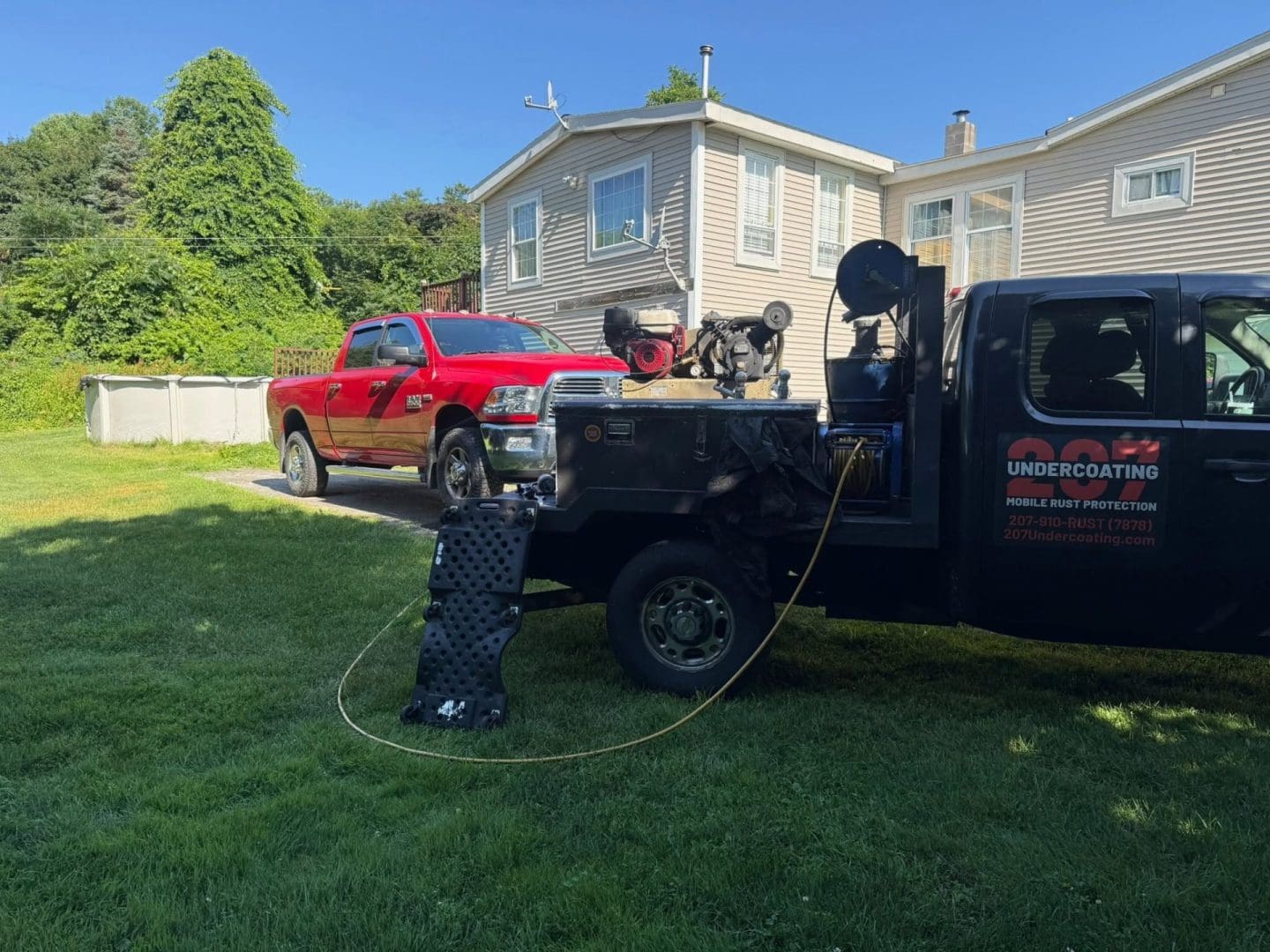
We’re a mobile service covering Southern Maine and New Hampshire — if you want it done right without having to leave your driveway, that’s exactly what we do. Give us a call and we’ll get your vehicle taken care of before rust gets a head start.