
We get this question every single week.
Someone calls up about their truck they’ve owned for three years, notices a little surface rust starting to bloom around the frame rails, and wonders — is it too late? Was undercoating just a dealer upsell they should have taken? Or is it one of those things that actually makes a difference?
Here’s our honest answer, after coating thousands of vehicles across Southern Maine and New Hampshire: it depends — but for most drivers in this region, it’s one of the smartest things you can do for your vehicle.
Let’s break it down for real.
What Undercoating Actually Does (and Doesn’t Do)
Before we talk about whether it’s worth it, let’s get one thing straight: undercoating is not a treatment. It’s a prevention.
This sounds obvious, but it changes everything about how you should think about it.
Rust is an oxidation process. Moisture, oxygen, and metal interact and the metal slowly deteriorates. In Maine and New Hampshire, road salt usage massively accelerates this — salt is an electrolyte that speeds up the electrochemical reaction that causes rust. Add in ocean air along the coast, high seasonal humidity, and our notorious freeze-thaw cycles, and you have about the most hostile environment a vehicle’s undercarriage can experience outside of a saltwater boat dock. See our full service area across Southern Maine and New Hampshire.
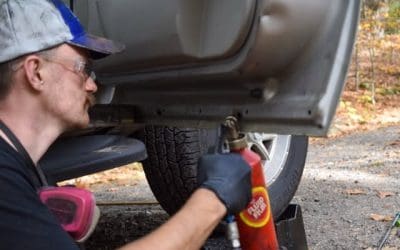
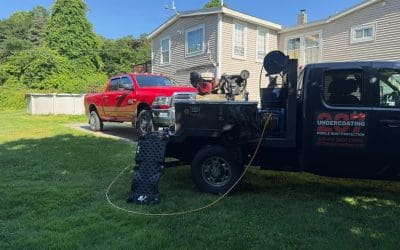
What undercoating does – specifically a product like Fluid Film, which is what we use; is interrupt that process at the surface level. Fluid Film is a lanolin-based corrosion inhibitor that penetrates metal pores and seams, displaces moisture, and creates a barrier that prevents oxidation from starting. Learn more about how our mobile Fluid Film undercoating service works.
That’s a fundamentally different approach from rubberized or “permanent” undercoatings, which form a hard shell over your undercarriage. Those products seal the surface, but if moisture gets underneath (through chips, cracks, or application gaps), you’ve now trapped it against bare metal with no way out. We’ve seen the results firsthand, and it’s not pretty.
When You Should NOT Undercoat Your Vehicle
Let’s talk about the case against undercoating first, because being straight with you matters more to us than making a sale.
If your vehicle already has serious structural rust, undercoating it is a waste of money — and potentially dangerous.
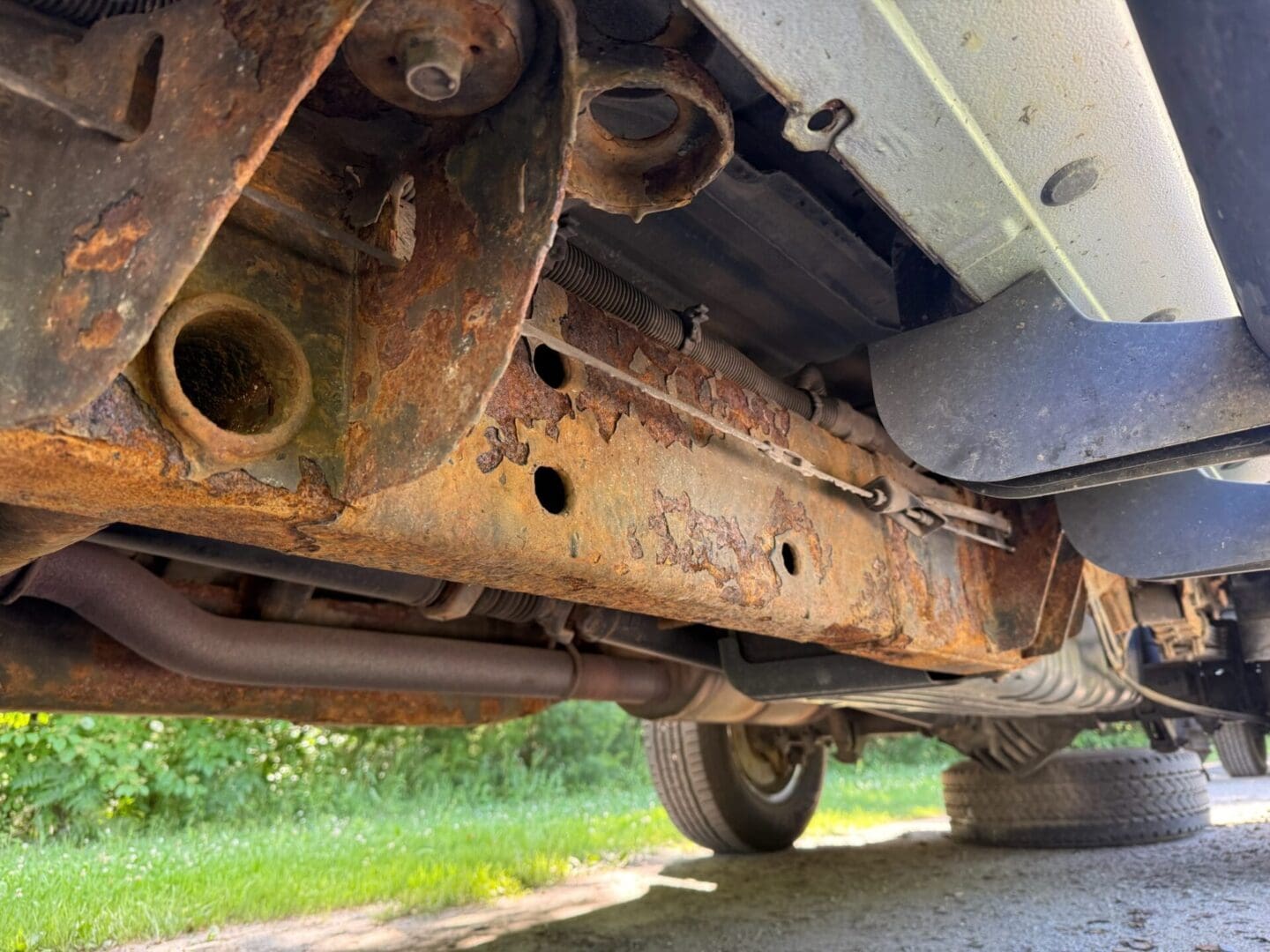
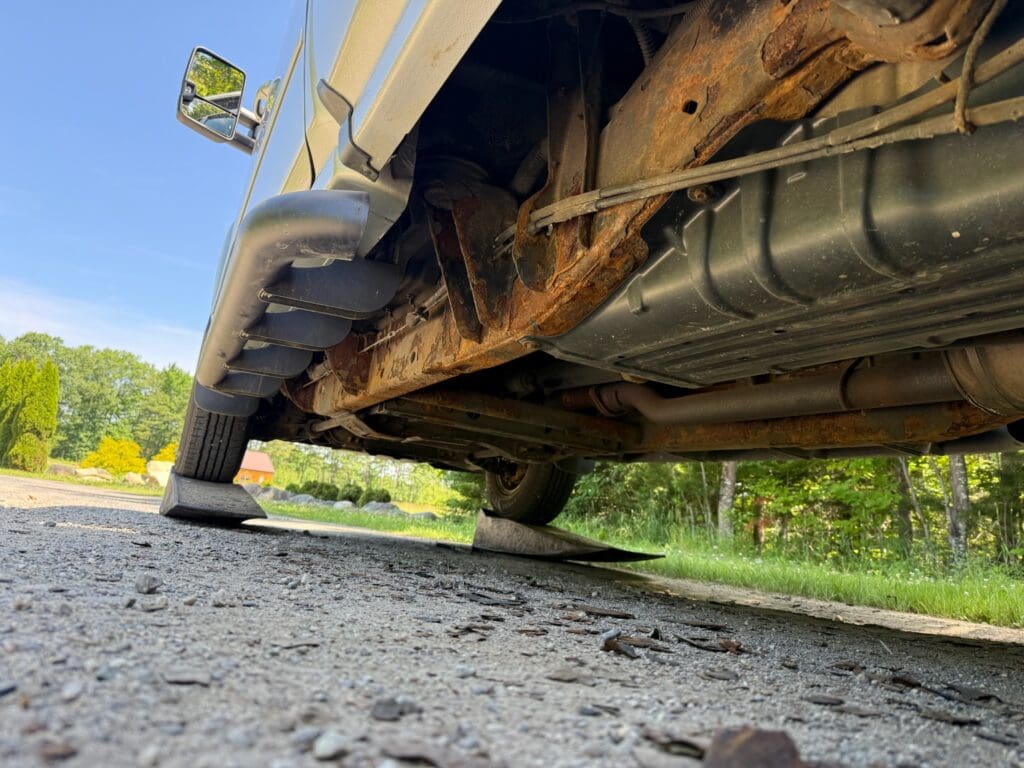
We have inspected vehicles with holes in the rocker panels, compromised frames that were no longer safe to drive, and corroded fuel lines that were a fire hazard waiting to happen. Putting Fluid Film on a vehicle in that condition doesn’t fix anything. It covers up a problem that needs to be addressed by a welder or a body shop — not by us.
Undercoating is prevention. The moment your vehicle crosses into the territory of needing structural repair, that has to come first. And in some cases, the honest answer is that the vehicle is too far gone to be worth the investment in repair, let alone protection.
So here’s our rule of thumb: if your vehicle is unsafe to operate due to rust, get it repaired or retire it. If it’s safe to drive, it’s a candidate for protection.
Age alone is not a disqualifier. We’ve seen vehicles with 150,000+ miles that are solid candidates. The question is safety and structural integrity, not mileage or year.
The Case For Undercoating: Real Numbers
Let’s talk dollars, because this is where the math gets hard to argue with.
A professional Fluid Film undercoating application typically runs $200–$400 depending on vehicle size. For a daily driver car or SUV, you’re likely in the $250–$350 range. For a full-size truck, expect closer to $300–$450.
Done annually — which is our recommendation, or every 15,000 miles — that’s roughly $200-$350 per year to maintain active protection on your vehicle.
Now let’s look at what you’re protecting against:
Rocker panel rust repair: $1,000–$2,500 per side. Full replacement on a pickup truck can exceed $3,000–$5,000 for both sides including labor.
Frame rust repair: $1,200–$4,000+, depending on the extent. Structural rust that requires welding and reinforcement can push into the $5,000+ range.
Fuel line or brake line replacement due to corrosion: $300–$1,500+ depending on how extensive the damage is.
Vehicle resale value: Rust can reduce a vehicle’s value by 10–40% depending on severity and visibility. On a $25,000 truck, that’s $2,500–$10,000 in depreciation you could potentially avoid.
Even a conservative scenario tells the story: if annual undercoating at $300/year delays or prevents a single $3,000 rocker panel repair over 5 years, you’ve spent $1,500 to avoid $3,000 in damage — and your vehicle’s undercarriage is in dramatically better shape when you go to sell it.
A Tale of Two Vehicles
We’ve seen this play out in the real world.
On the hard end: we’ve had customers bring in vehicles with rocker panels that had rusted completely through, frames that were structurally compromised, and fuel lines so corroded they were a genuine safety hazard. These aren’t hypothetical scenarios — they’re vehicles that came to us for undercoating and had to be turned away because there was nothing protective coating could do for them at that stage. Some of those vehicles needed thousands of dollars in repairs. Some weren’t worth saving at all.
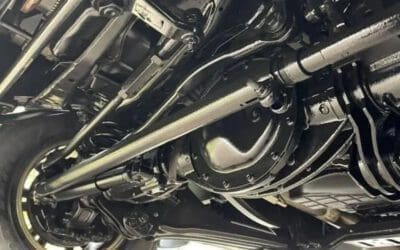
On the other end: a customer brought in a vehicle with over 255,000 miles and more than 20 years on the odometer. The frame looked genuinely impressive — solid, clean metal with minimal surface rust and no structural concerns. The reason? It had been Fluid Filmed every single year of its life. That vehicle was still on the road, still structurally sound, still worth driving, because someone made a $150–$200 decision every fall for two decades.
That’s the investment. That’s what it buys you.
Who Needs It Most
If you want a priority ranking, here’s how we think about it:
Trucks and full-size SUVs top the list. They have more exposed frame rail, more suspension components, more surface area under there collecting salt spray. And frankly, they’re expensive — if you’re driving a $50,000 pickup, protecting it with annual undercoating is a no-brainer.
Older vehicles you plan to keep are next. If you’re driving a vehicle with 75,000+ miles and you want to get another five years out of it, now is the time to protect what’s left of the clean metal. The longer you wait, the more surface area is already compromised.
Daily drivers that accumulate serious winter mileage on salted Maine and New Hampshire roads. The more miles you put on in the salt season, the more exposure your undercarriage accumulates. Ready to protect your vehicle? Schedule your undercoating appointment and we’ll come to you.
Specialty and collector vehicles where preservation is the whole point. The cost of undercoating is trivial compared to the value of maintaining a clean, original undercarriage on a vehicle you care about.
The Moisture Myth (and Other Objections)
Two objections come up constantly, and they’re worth addressing directly.
“Doesn’t undercoating trap moisture?”
This is a legitimate concern about rubberized or “permanent” coatings — the hard-shell products that encapsulate the undercarriage. If those coatings crack or fail to adhere, moisture can get trapped underneath where it can’t escape and rust accelerates. This is a real problem with that category of product.
Fluid Film works completely differently. It’s a penetrating oil, not a sealant. It gets into seams and crevices and displaces moisture rather than trapping it. There’s no hard shell to crack. It doesn’t seal — it prevents.
“My new car has factory undercoating.”
Factory coatings have improved, and we’re not here to dismiss them. But factory coating quality varies significantly by manufacturer, and no factory coating is permanent. Annual Fluid Film applications work alongside factory coatings, getting into areas and seams that factory application misses or that degrade over time. We apply to new vehicles all the time.
The Bottom Line
Here’s the simple version:
If your vehicle is safe to drive, if you plan to keep it more than a couple of years, and if you drive it in Maine or New Hampshire winters — yes, undercoating is worth it. The math is straightforward, the protection is real, and the alternative is watching a vehicle you’ve invested money in slowly deteriorate from the bottom up.
If you’re not sure where your vehicle stands or whether it’s a good candidate, that’s a conversation we’re happy to have, contact us before your appointment and we’ll give you a straight answer. We’d rather tell you honestly that your vehicle needs body work before we coat it than take your money and cover up a problem.
That’s just how we operate.