
Why Winter Undercoating Is A Great Choice
A lot of drivers think they’ve “missed the window” for rust protection once winter hits. With salt, sand, and brine already covering the roads, it’s easy to assume you waited too long. The truth? Using a lanolin-based product like Fluid Film makes undercoating safe, effective, and smart even after winter is underway. As long as the vehicle is cleaned properly beforehand, applying protection in the colder months still gives your undercarriage the defense it needs.
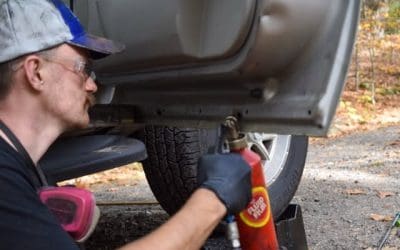
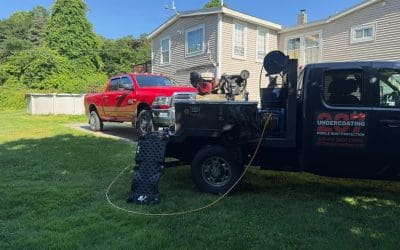
At 207 Undercoating, we’re out on the road all winter applying Fluid Film to help Maine drivers protect their vehicles from rust, corrosion, and harsh road treatments. Here’s why undercoating mid-season is not only okay—it’s a great idea.
Rust Doesn’t Take the Winter Off
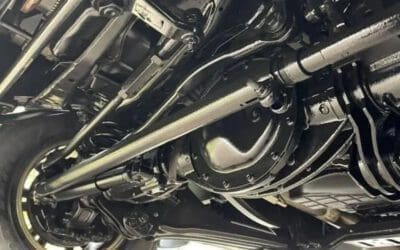
Road salt, brine, and moisture accelerate corrosion every time you drive. Even if the season has already started, your frame, brake lines, fuel lines, and undercarriage are constantly exposed to rust-causing materials. Applying Fluid Film now helps stop new corrosion from forming and stops the early rust that may have already begun. Waiting until the fall could result in substantially more corrosive growth,
Fluid Film Works in Cold Weather
Lanolin-based undercoatings like Fluid Film stay active even in low temperatures. They don’t harden, crack, or get brittle in the cold. Instead, they remain wet and tacky—allowing the product to creep into seams, joints, layers of metal, and hard-to-reach areas all winter long.
This creeping action is what makes lanolin products so effective, especially during the months when moisture and salt are everywhere.
Cleaning Your Vehicle is the Key
Some drivers assume you can’t undercoat after winter begins because the vehicle has already seen salt. That isn’t true. As long as the undercarriage is cleaned first, applying Fluid Film is perfectly effective. Permanent undercoating treatments can cause moisture and salt to be trapped and accelerate the rust causing process. Fluid Film, like all lanolin based products, is designed to penetrate metals and starve the area of oxygen and moisture – the two things needed to cause rust. If there is salt left on the frame during undercoating, it will be okay, as the lanolin product will prevent that salt from activating and causing rust.
We ask customers to get a high pressure car wash to remove any salt, dirt, and debris. This helps remove large bits of debris, salt, and dirt creating a great surface for undercoating. Our goal here is not to rid the vehicle of all remnants of salt and moisture as the lanolin product will prevent the oxidizing process.
Road Treatment Creates Constant Exposure
In New England, roads aren’t treated just once—they’re treated repeatedly all winter long. Even if your vehicle started the season clean, every storm brings fresh brine and salt that stick to metal and accelerate rust. Undercoating with Fluid Film mid-season protects your vehicle through the months with the highest corrosion risk and prevents long-term damage from repeated exposure.
Car Washes as a Rust Prevention Strategy
Regular car washes during the winter months is a common practice to reduce the amount of salt hanging out on your vehicle. This is no replacement for undercoating, however. This will keep your vehicle looking sparkly clean and beautiful, but may not be doing all the rust prevention you’re hoping for. Oxidizing (the rust causing process) occurs when moisture and oxygen are hanging out on metals. Salt, acids, and humidity accelerate the chemical reaction.
That is why we advocate strongly for an undercoating of some style — this prevents the chemical reaction from occurring by starving your vehicle’s frame and body panels of oxygen and pushing the moisture away. This nullifies any acceleration that salt or other corrosive materials may be trying to cause.
Winter Is a Smart Time to Protect Your Investment
Many vehicle owners choose to undercoat during the winter because:
-
You stop corrosion during the highest-risk months
-
Fluid Film begins protecting immediately
-
You avoid expensive rust repair later
-
It sets you up for easy annual maintenance
-
It protects critical components like brake lines and the vehicle frame
-
Skipping winter protection leaves your vehicle exposed exactly when road conditions are the toughest.
You Haven’t Missed Your Chance
If you’re seeing snowbanks, slush, or brine streaks and wondering if it’s too late to protect your vehicle, the answer is simple: it’s not. Fluid Film undercoating works extremely well in the winter and protects your investment when it needs it most.
Whether your vehicle is new or has a few salty seasons behind it, lanolin-based rust protection in the colder months is one of the smartest moves you can make.
Have questions? Looking for a Quote? Reach out to our friendly team today!