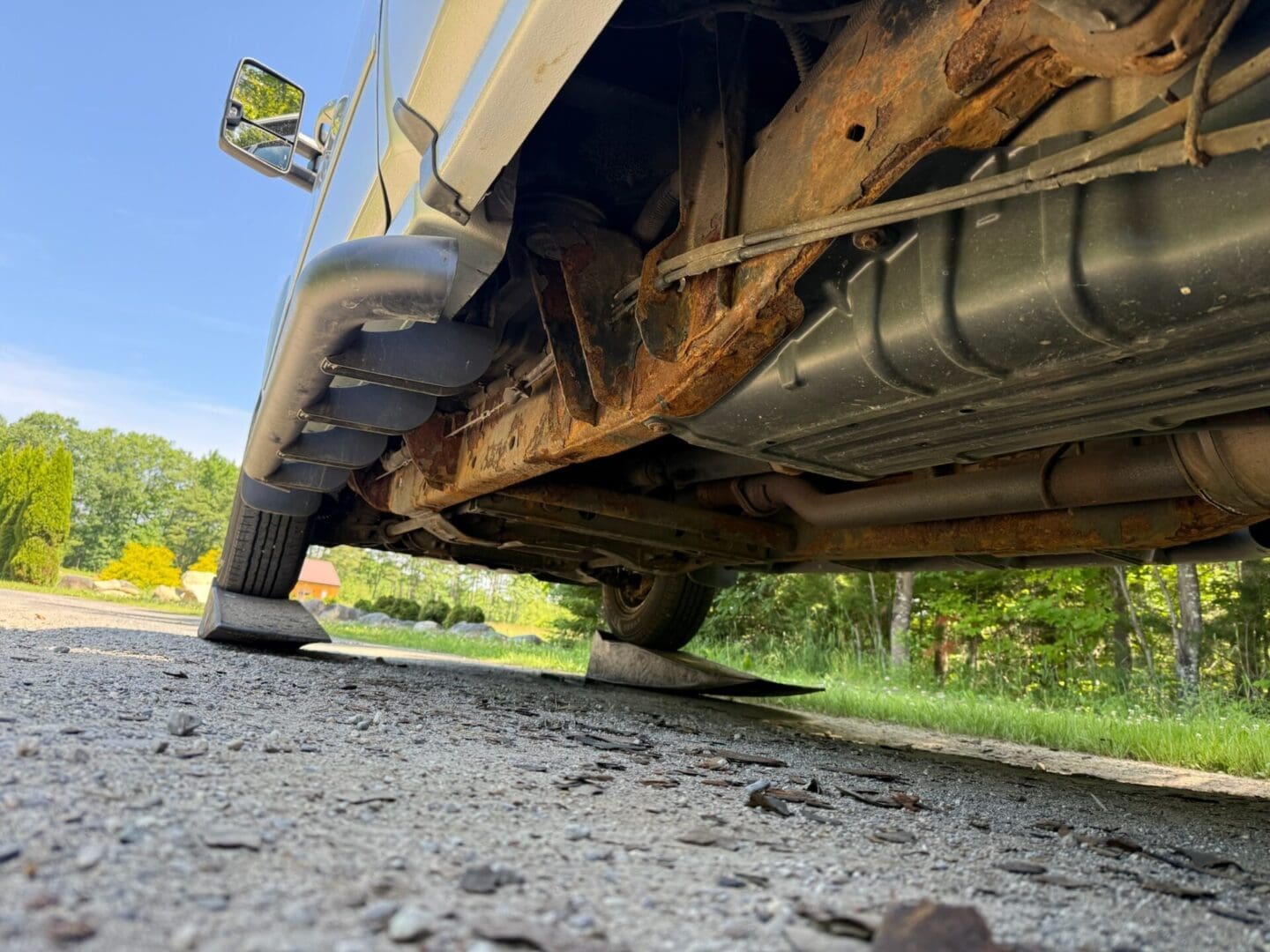
If you live in Maine or New Hampshire, rust is not a matter of if, it is a matter of when. Between snow, road salt, coastal moisture, and long winters, vehicles in this region face some of the harshest corrosion conditions in the country.
Most drivers start thinking about undercoating in the fall. That timing makes sense, but it is not the full story. The truth is that the best time to undercoat your vehicle depends on your goals, your vehicle’s condition, and how long you want that protection to last.
At 207 Undercoating, we focus on education as much as application. Below is a season by season breakdown of undercoating in Maine and New Hampshire, including the pros and cons of each time of year, and why fall is not the only right answer.
Why Timing Matters in Maine and New Hampshire
Rust forms when bare metal is exposed to oxygen and moisture. Road salt dramatically accelerates this process by creating an electrolyte that speeds up corrosion. Maine and New Hampshire rely heavily on salt and brine to keep roads safe, which means vehicle undercarriages are exposed to corrosive material for months at a time.
Once corrosion starts, it does not stop on its own. Oil based and lanolin based undercoating works by creating a barrier that blocks moisture and oxygen while also creeping into seams, welds, and hard to reach areas. Timing matters because temperature, moisture, and road conditions all affect how well that protective layer performs.
Fall and Early Winter
Popular, but Not Always Ideal
Fall is the busiest season for undercoating in Maine and New Hampshire. Drivers know winter is coming and want protection in place before the first snowfall.
Pros
• Fresh protection before winter road salt
• Top of mind for most vehicle owners
• Effective when applied before corrosion begins
Cons
• High demand does not equal best performance
• Many vehicles already have residual moisture and grime from summer driving
• Scheduling fills quickly due to seasonal demand
Fall undercoating works, and it works well. The misconception is that it is the only correct time. Fall is a good option, not the gold standard by default.
Mid to Late Winter
Reactive, but Still Valuable
Undercoating during the heart of winter is often viewed as too late. While it is not ideal, it is still far better than waiting.
Pros
• Helps slow or stop active corrosion
• Provides protection before spring salt runoff
• Better than leaving exposed metal unprotected
Cons
• Salt exposure has already occurred
• More prep may be required due to winter buildup
• Less proactive than earlier seasons
If you are thinking about rust protection in January or February, that usually means corrosion has already started. Applying undercoating at this stage can still seal surfaces and prevent further damage, but waiting longer almost always results in more corrosion and higher long term costs.
Spring
One of the Best Times to Undercoat in Maine and New Hampshire
Spring is often overlooked, but it is one of the most effective times of year to undercoat a vehicle in this region.
As snowbanks melt, road salt does not disappear. It concentrates in puddles, runoff, and roadside spray. Vehicles are still exposed to corrosive material long after winter driving ends.
Pros
• Salt remains active on roads and surfaces
• Warmer temperatures improve product flow
• Excellent timing to seal winter wear and tear
• Typically less scheduling congestion
Cons
• Undercarriage may need extra cleaning after winter
• Existing corrosion may already be present
Spring undercoating locks in protection at a critical time. It seals areas that were exposed during winter and prepares the vehicle for months of dry, stable driving conditions.
Summer
The Best Time of Year for Rust Protection
Summer is hands down the most effective time to undercoat a vehicle in Maine and New Hampshire.
Warm temperatures allow oil based and lanolin based products to remain fluid and mobile. This allows the coating to creep into seams, overlaps, and internal cavities where rust often starts. Roads are dry, and there is minimal salt or slush interfering with the coating process.
Pros
• Optimal temperature for product flow and creep
• Dry road conditions reduce contamination
• Long settling period before winter exposure
• Proactive protection before salt season begins
Cons
• Rust protection is not top of mind in summer
• Scheduling can compete with vacations and travel
From a purely technical standpoint, summer undercoating provides the strongest foundation for long term corrosion protection. Vehicles treated in summer enter winter already sealed and stabilized.
Quick Seasonal Comparison for Maine and New Hampshire
Summer
Protection effectiveness: Excellent
Application conditions: Ideal
Spring
Protection effectiveness: Very good
Application conditions: Very good
Fall
Protection effectiveness: Good
Application conditions: High demand
Mid to late winter
Protection effectiveness: Fair
Application conditions: Reactive
The Bottom Line
In Maine and New Hampshire, rust does not care what month it is. It cares about moisture, salt, and exposed metal.
Fall is not wrong. Winter is not pointless. Spring is underrated. Summer is unmatched.
The best time to undercoat your vehicle is when it gives the product the best chance to protect, creep, and settle before harsh conditions return. Planning ahead almost always leads to better results and less corrosion over time.
Ready to Protect Your Vehicle?
If you drive in Maine or New Hampshire, rust protection is not optional. It is maintenance.
Get a quote from 207 Undercoating and protect your vehicle before corrosion takes hold.